Natural stone look, classic travertino and sophisticated marmorino for sustainable, eco friendly interiors.
All lime based decorative plasters are suitable for interiors and exteriors and are resistant to damp, mould and water.
Suitable protection is needed in wet areas.
Traditional lime plasters, produced with advanced technology, aim towards the Environment Care and Green Building standards. The natural raw materials, accurately selected, such as lime, marble powders and hydraulic binders, result in a high ecological value.
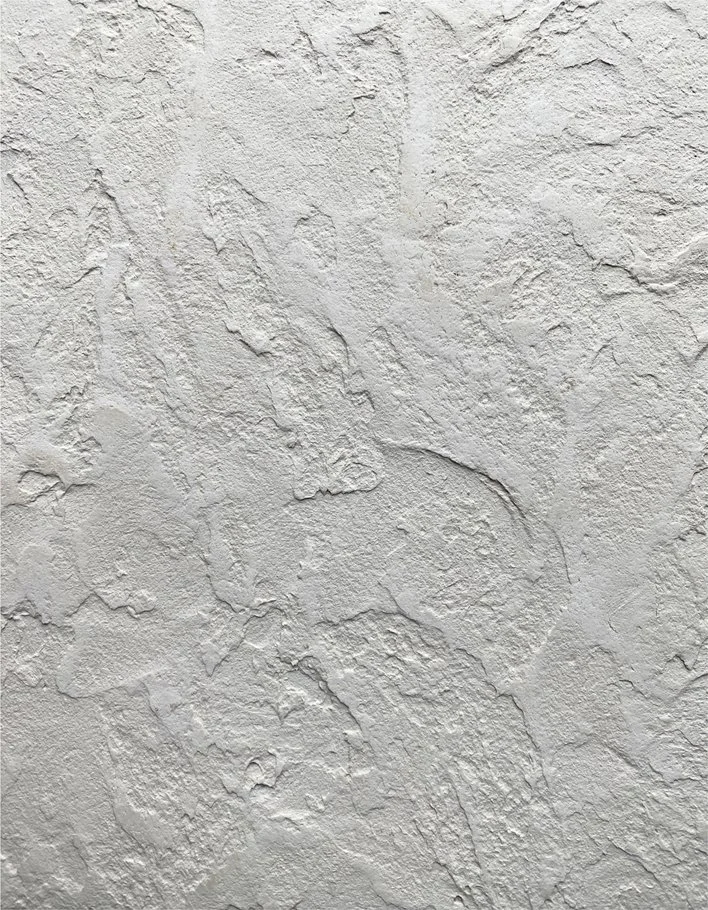
Nostalgie Rock
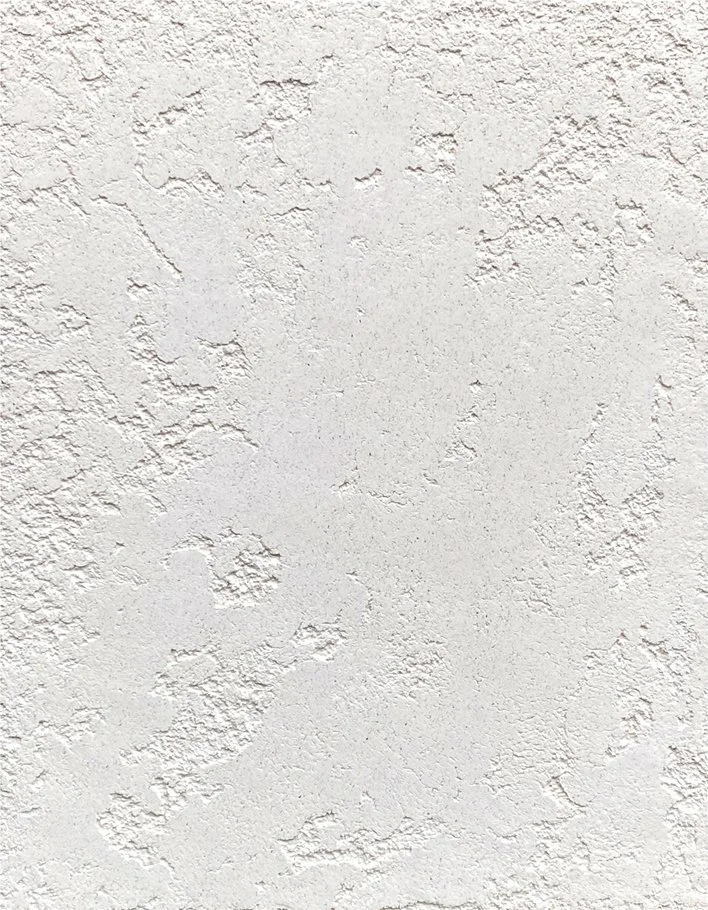
Travertino Bianco (Salt & Pepper)
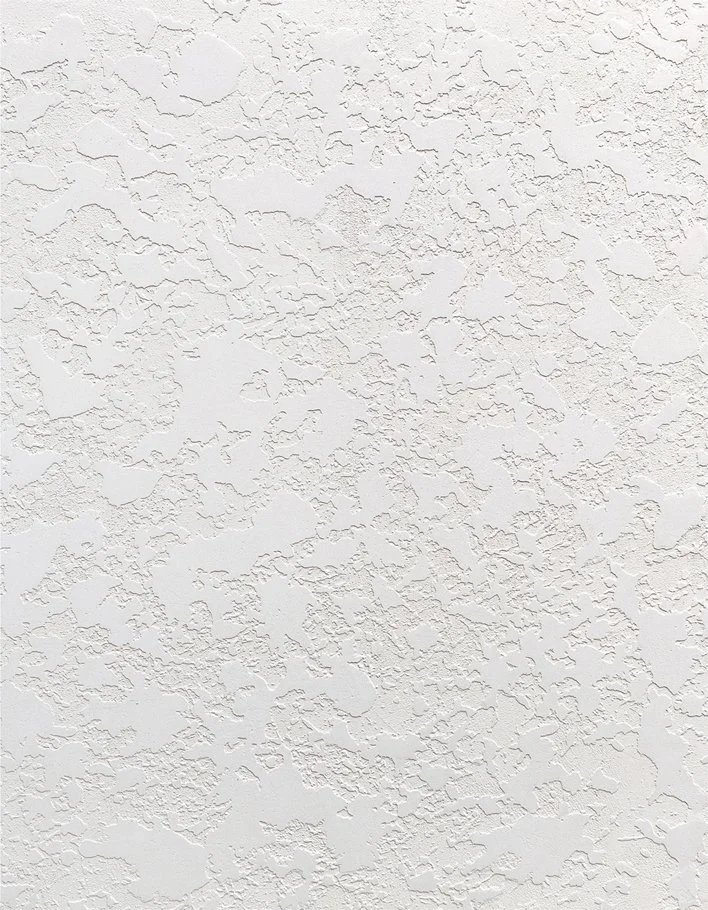
Travertino BeriCalce
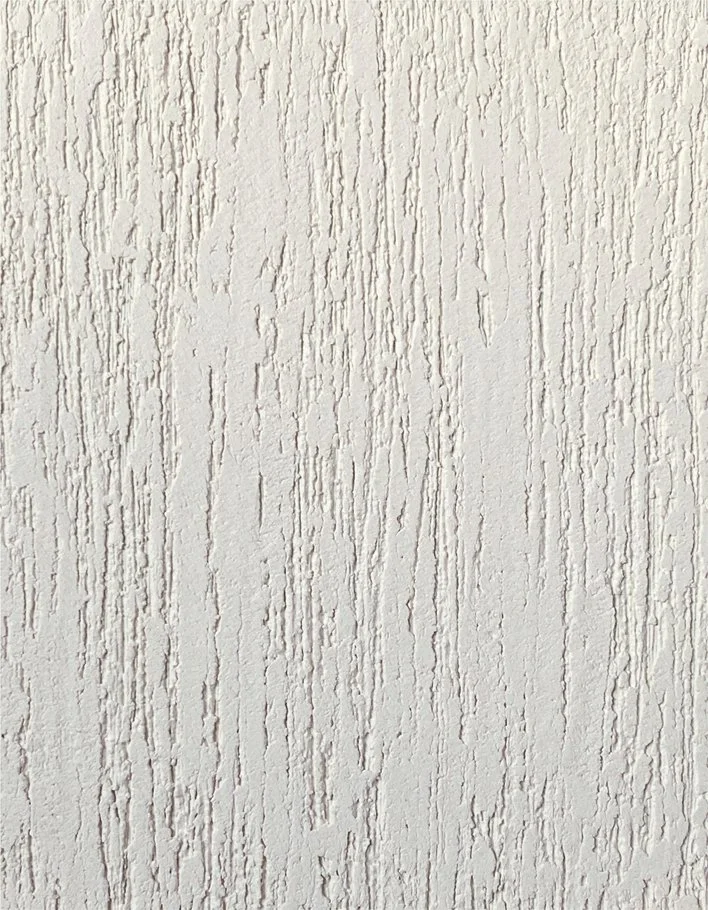
Travertino Bianco (Rigato)
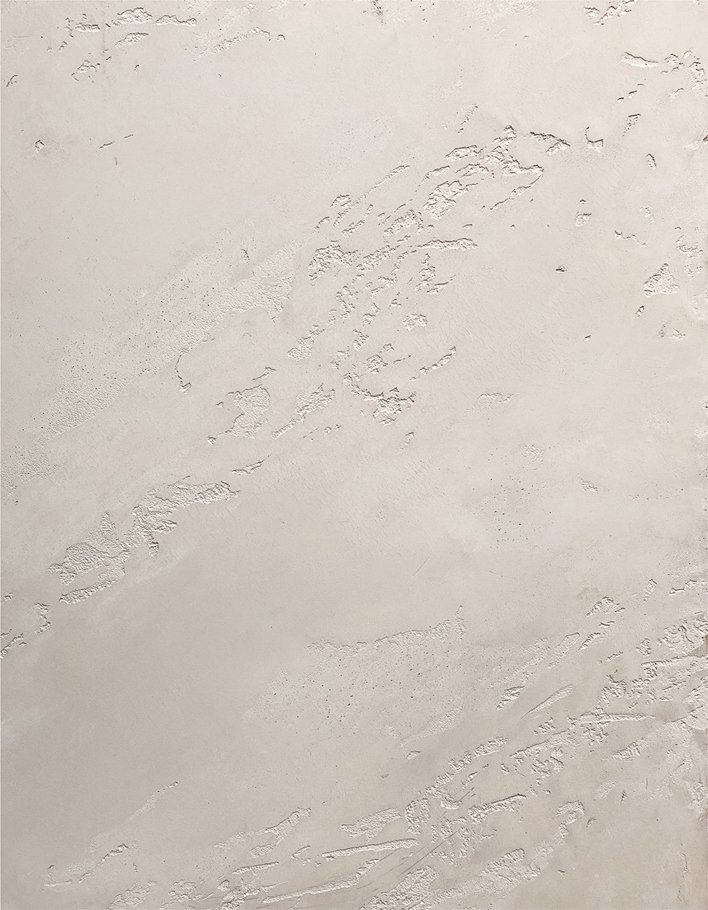
Obiante Pietra

Travertino Classico
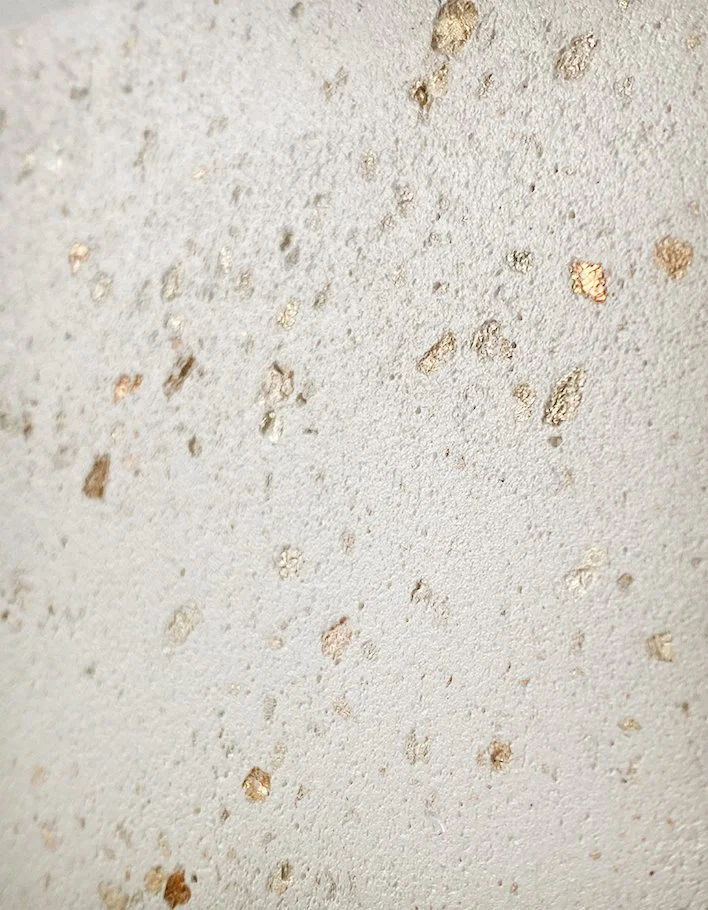
Glimmerputz
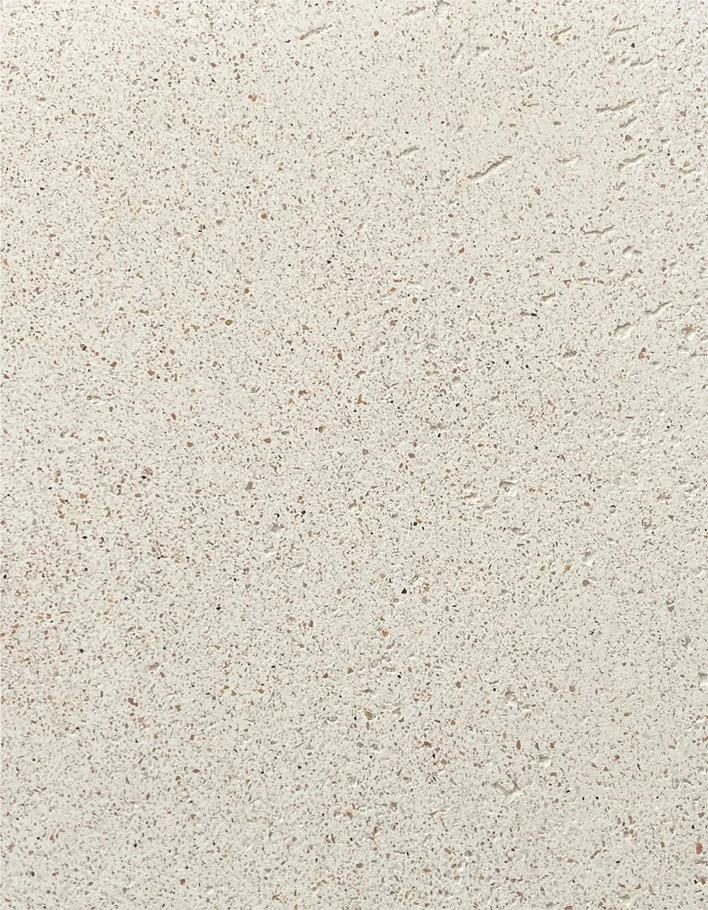
Petrae Vicenza
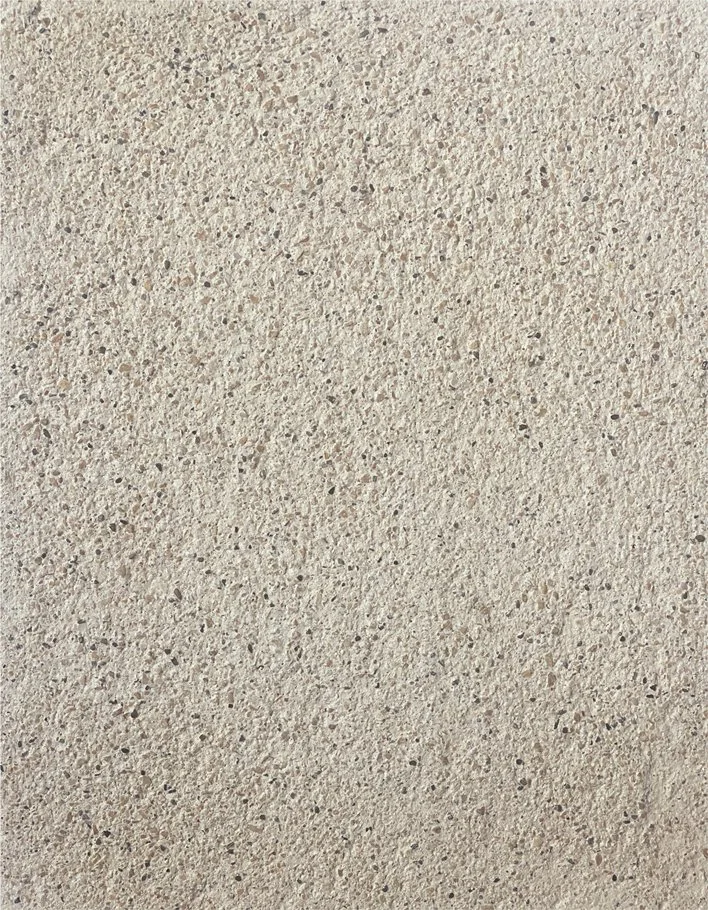
Dilavato Bianco Dolomiti
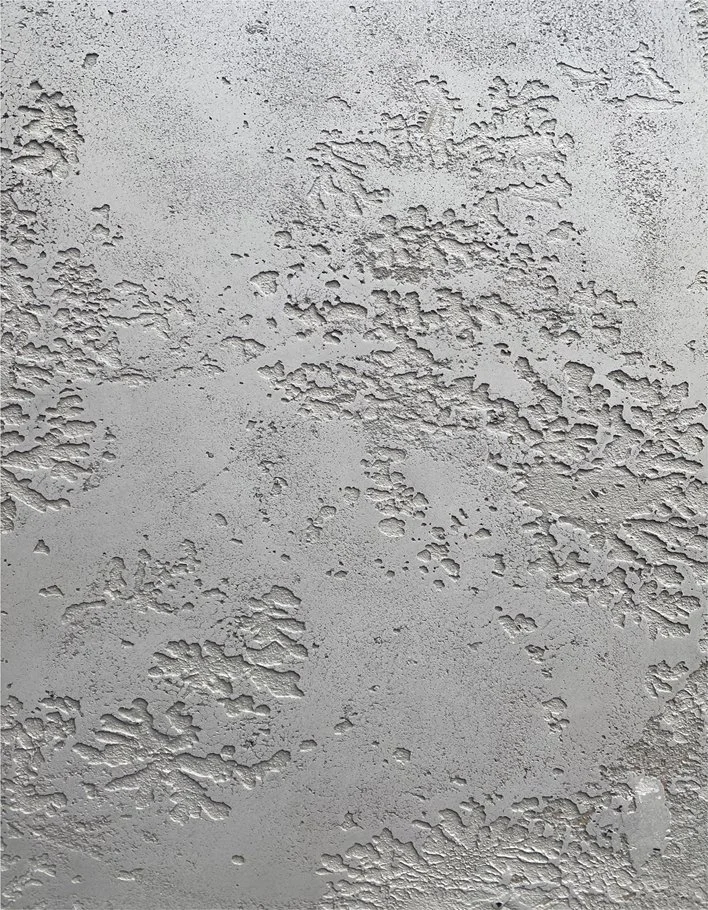
Polished Concrete
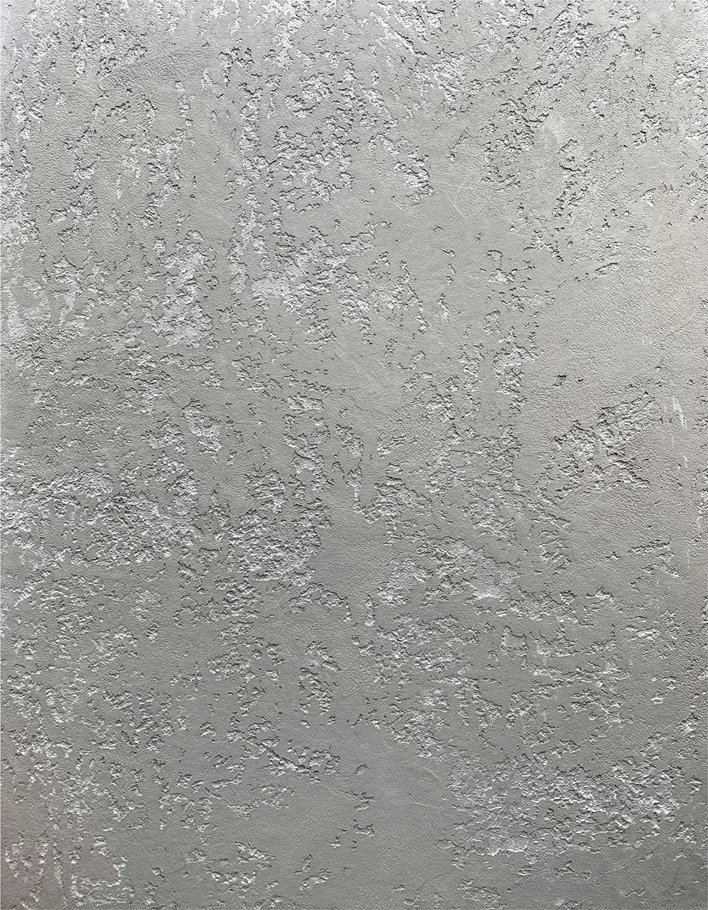
Rough Concrete
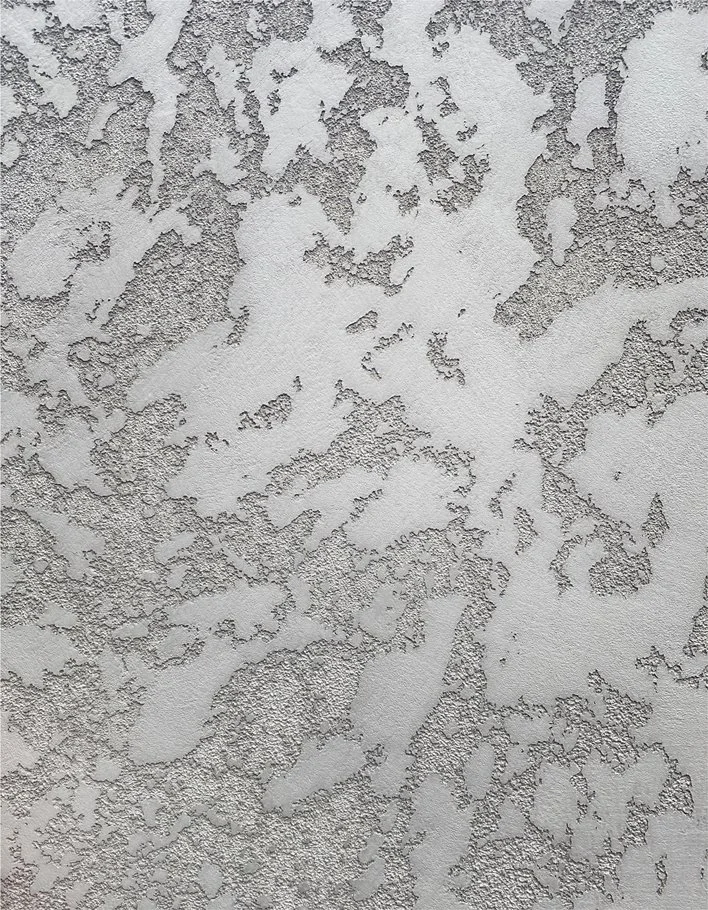
Beton Deco
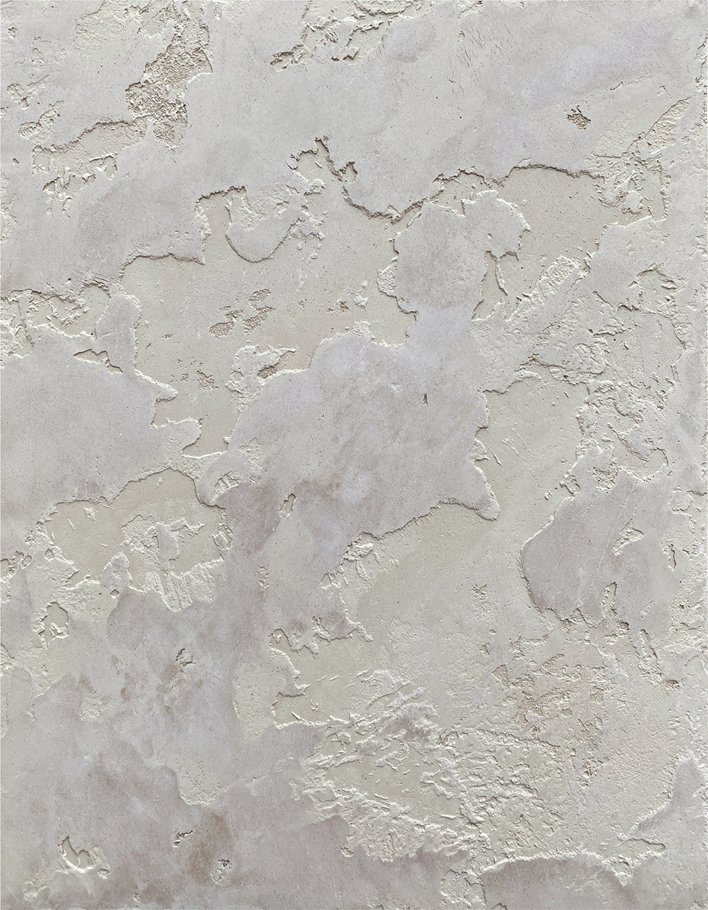
Lime Concrete
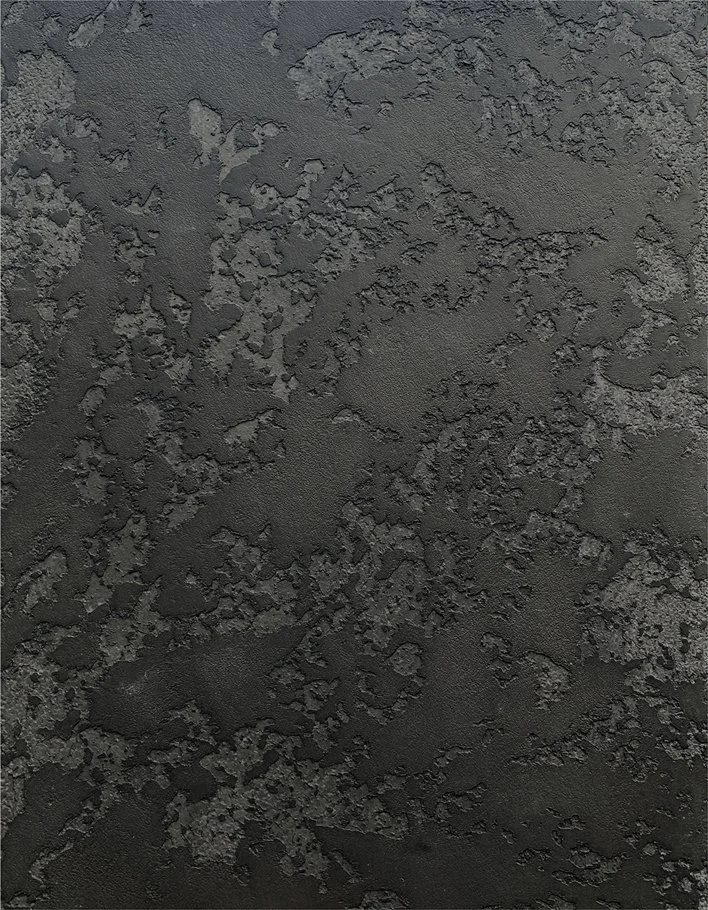
Marmorino Matt Obsidian
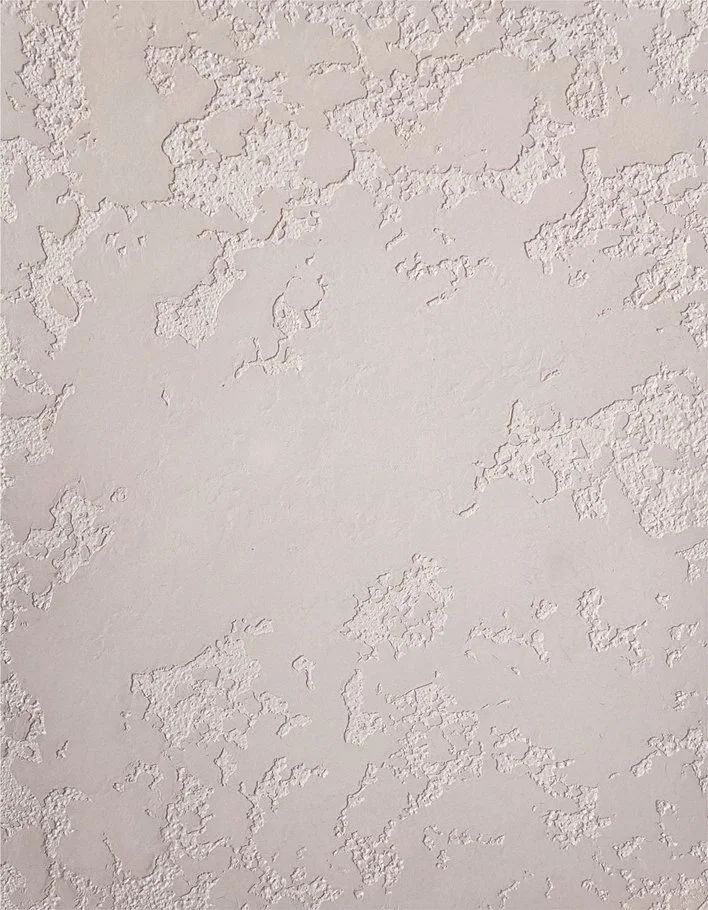
Marmorino Antico 300
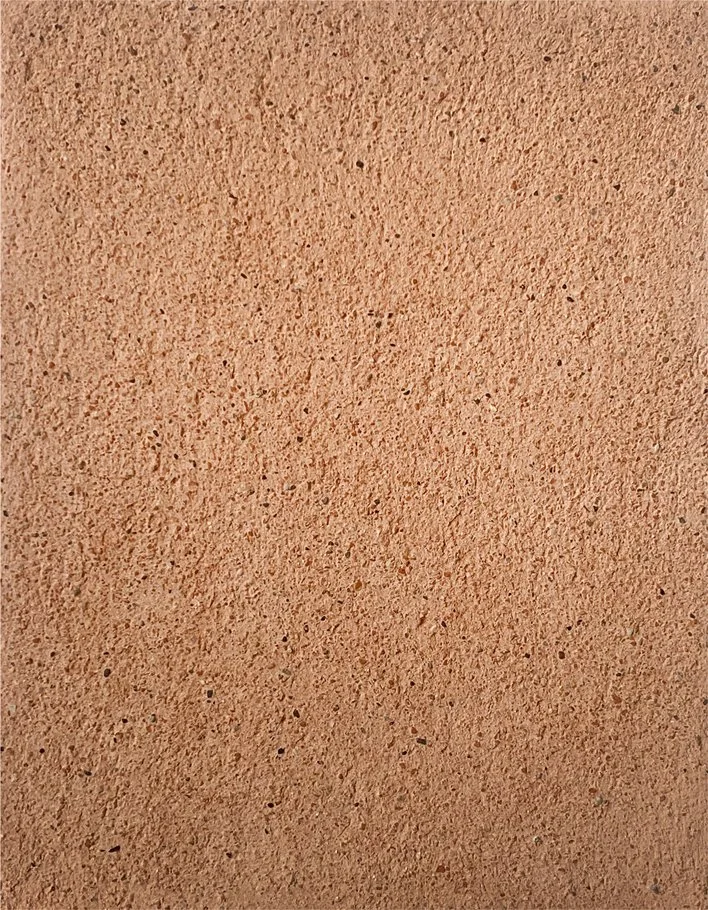
Dilavato Rosso
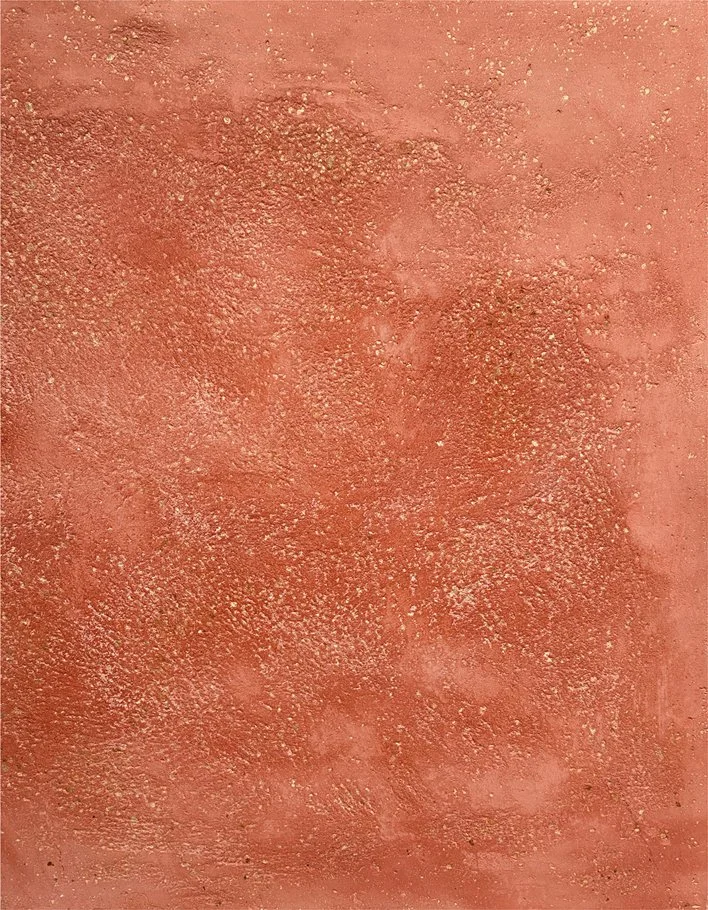
Glimmerputz Terracota
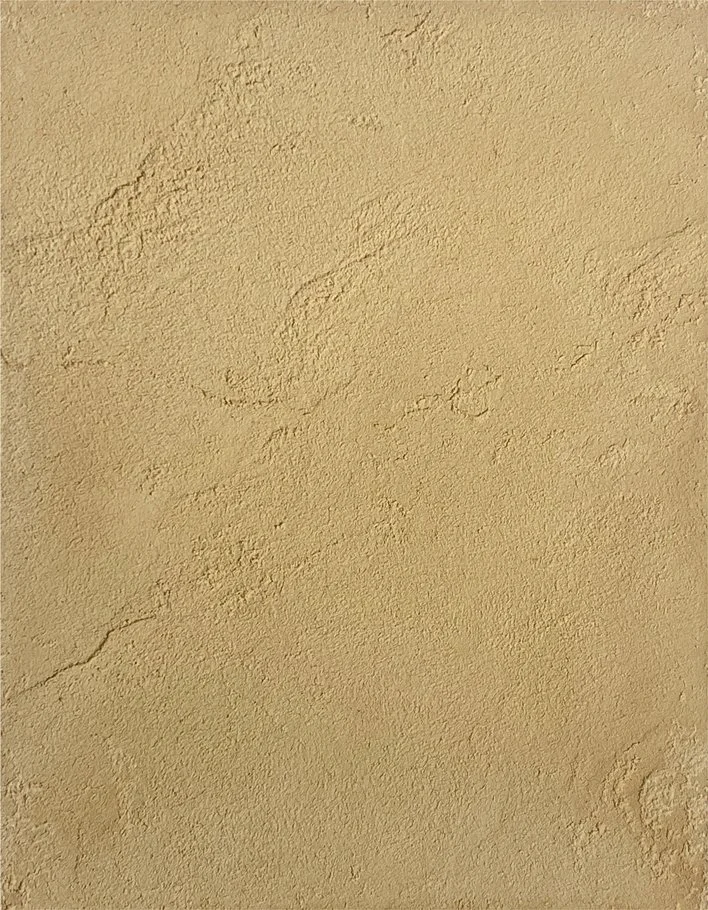
Intonachino 700
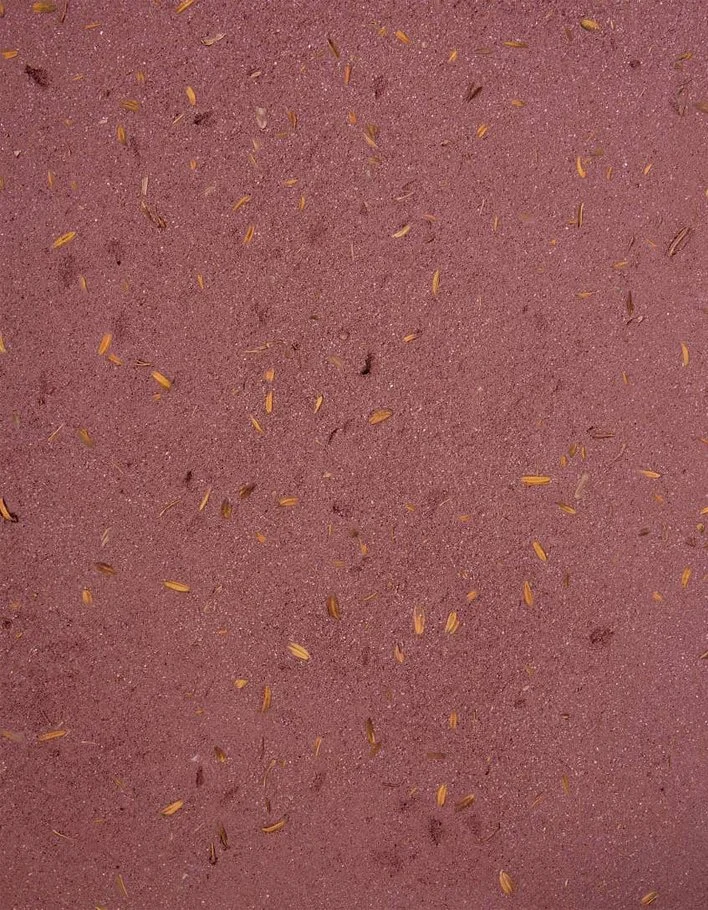
Clay + rice husks
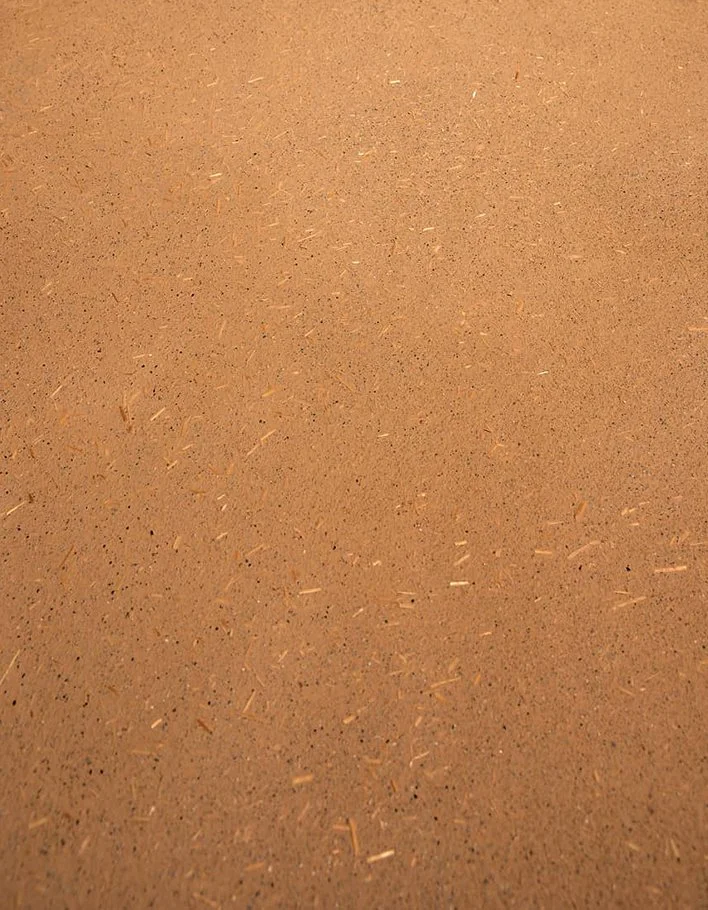
Clay + hemp shives
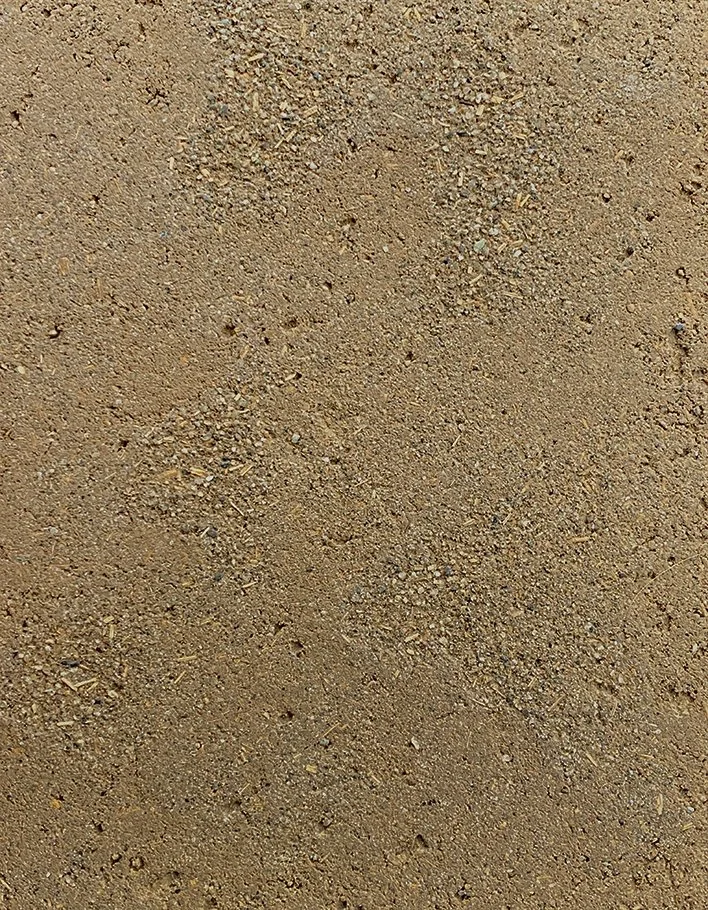
Clay + straw
Enviromental and Technical Data
The dispersion of humidity avoids the growth of moulds, algae and bacteria, without using chemical additives. ASTM D 3274 is the standard test method to evaluate the disfigurement of water-based decorative effect coatings by microbial, fungal and algae= no growth.
They are also non-flammable and low odour, with almost zero VOCs value (less than 1mg/L VOCs). The standard EU Value for this category is 200mg/L Volatile Organic Compounds (EU Directive 2004/42/CE).
The European Class of reaction to fire is A1: non-combustible and no contribution to fire.
The right composition makes these decorative plasters very resistant after application and with low or no maintenance in most cases, making them ideal for hig-traffic areas. They are hardwearing, long-lasting, resist cracks (given the substrate is stable) and everyday wear for decades.
All lime based products have a normal drying time according to their thickness but the real hardness is obtained through carbonation which occurs on contact with the air. This is the gradual absortion of CO2 from the ambient. This process is completed in a few hours on the surface but requires several days to take place in depth.
Once it’s cured and sealed, the surface can be cleaned with water and mild, neutral soap. Avoid rubbing too strongly as it could damage the polished top layer of the plaster.